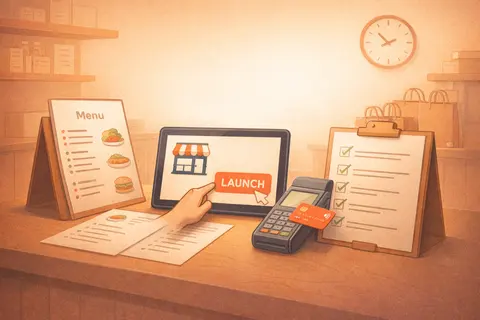
Fast setup is usually an operations problem, not a software problem
Restaurants often assume online ordering takes too long because the software must be complex.
In practice, setup drags when the team is missing a few basic pieces:
- a clean menu
- current hours
- item photos if they want them
- someone who can approve pricing
- a payment account that is ready to connect
When those pieces are ready, the launch usually stops feeling heavy.
Start with the minimum viable menu, not the perfect menu
A lot of restaurants lose momentum because they treat launch like a full rebrand. They start rewriting every item description, debating every modifier, and trying to solve every future menu edge case before the first order can even come in.
That is backwards.
The first goal is a live, accurate, usable menu. It does not have to be the most ambitious version on day one. It needs to be trustworthy enough that a customer can order without confusion and staff can fulfill the ticket without improvising.
That usually means:
- correct item names
- clean prices
- realistic modifier structure
- current hours
- clear pickup or delivery availability
You can always refine after the restaurant is already taking orders.
Payment setup should be early, not last
Restaurants often save payment onboarding for the end of the process because it feels administrative. That is usually a mistake.
If Stripe or business-account details are not ready, the launch stalls right when everyone expects the ordering page to go live.
The smoother sequence is:
- gather the menu
- confirm hours and fulfillment details
- connect Stripe early
- review the storefront
- publish and share the link
That order reduces the "almost done" phase that tends to drag on for days.
Free menu setup matters more than it sounds
For a lot of independent restaurants, menu entry is the real bottleneck. It is repetitive, easy to postpone, and hard to squeeze into a busy shift.
That is one reason OmNom's free menu setup matters. It removes a boring but very real launch blocker.
When the platform team can help get the menu into shape, the restaurant does not need to treat online ordering like a separate side project with its own project manager. That makes a fast launch realistic for smaller operators, not just chains with back-office staff.
The best launch standard is simple: can customers order confidently?
Before you call the setup complete, ask a few plain questions:
- Can a customer find the right items quickly?
- Are the prices current?
- Are hours accurate?
- Is the fulfillment method obvious?
- Will the kitchen understand the ticket without follow-up?
If the answer is yes, the ordering page is ready to do its job.
Where OmNom fits
OmNom is designed for restaurants that want to get live quickly without adding commission and subscription complexity on top of the setup work. Restaurants do not pay an OmNom commission, do not pay a monthly platform fee, and can still get help with the menu work that usually slows everything down.
If you want a quick next step, start with OmNom or read zero-commission online ordering vs marketplace commissions for the economics side of the decision.